AV Foresight
Read time:
6min
Client:
Class project
Industry:
Strategic Foresight
Start:
End:
Duration:
14 weeks
Tools:
Horizon Scanning, STEEP Analysis, Scenario Archetypes
A strategic foresight study examining the integration of autonomous vehicles into the urban fabric. This project moves beyond the "self-driving car" trope to analyze how Autonomous Mobility-as-a-Service and Automated Logistics will fundamentally reshape land use, equity, and the "Digital Divide" in the smart cities of the next decade.
Starting point
We identified a critical Focal Issue: How can the city manage the transition to autonomous fleets without exacerbating existing social inequities or overwhelming legacy infrastructure?
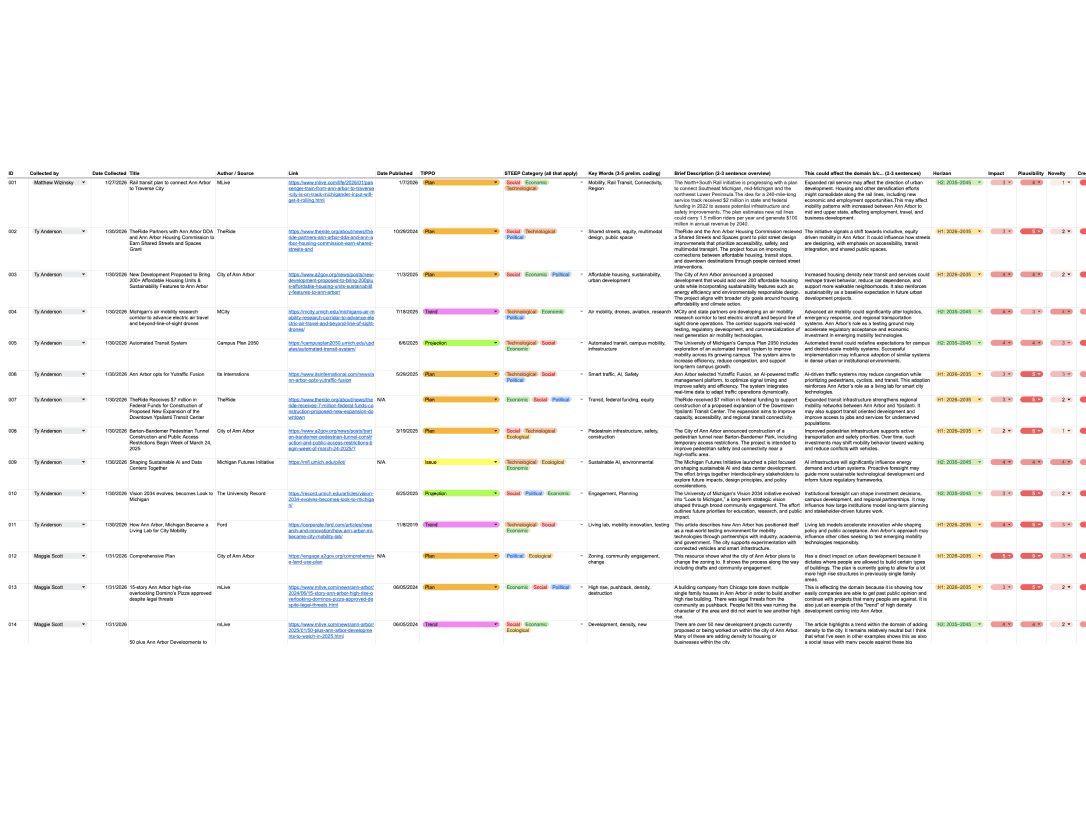
Signal Scanning: I tracked "Weak Signals" such as the shift from private vehicle ownership to subscription-based robotaxi models and the emergence of "dark stores" optimized for AV delivery.
The "Weight of History": We analyzed how 20th-century car-centric planning (the "Pull" of the past) conflicts with the 21st-century "Push" of real-time AI-optimized mobility.
Problem solving
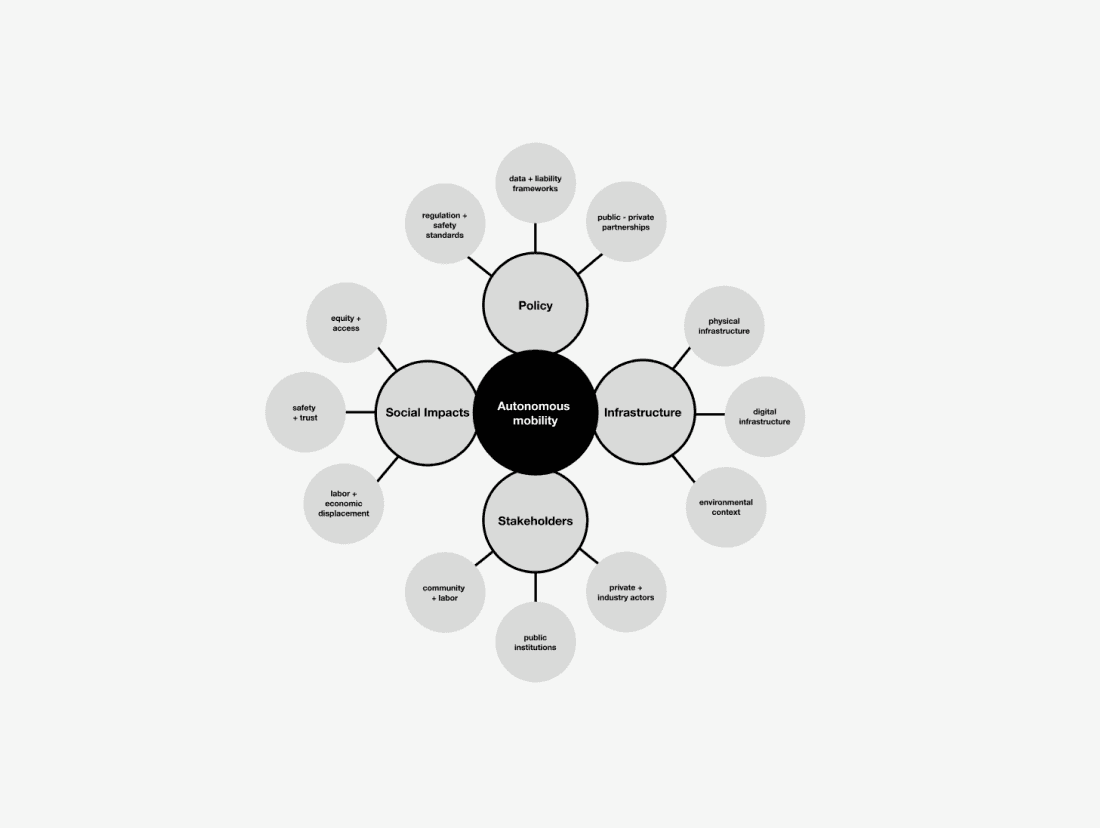
The challenge was to map the High-Impact, High-Uncertainty drivers that will determine the success of an AV-integrated city.
Driver 1: AV Equity & Accessibility. Will AVs be a luxury "walled garden" for tech workers like Ethan, or a public utility for workers like Maria?
Driver 2: Data Ownership & Governance. Who owns the mobility data, the tech giants or the city? I focused on the "Data Commons" model as a strategic necessity for local oversight.
Trade-off Analysis: I evaluated the conflict between Efficiency (faster traffic throughput) and Equity (ensuring service reaches low-income zones).
Implementation
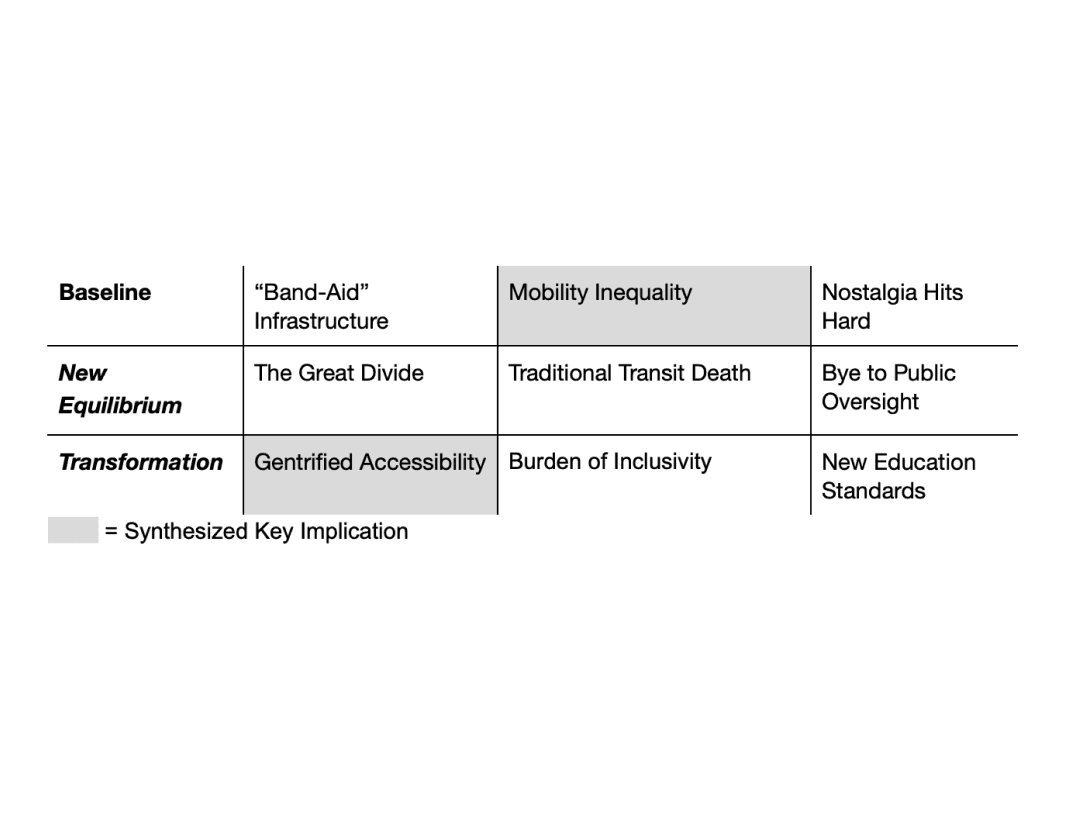
I developed three distinct AV Scenario Archetypes to help product teams and planners "wind-tunnel" their strategies:
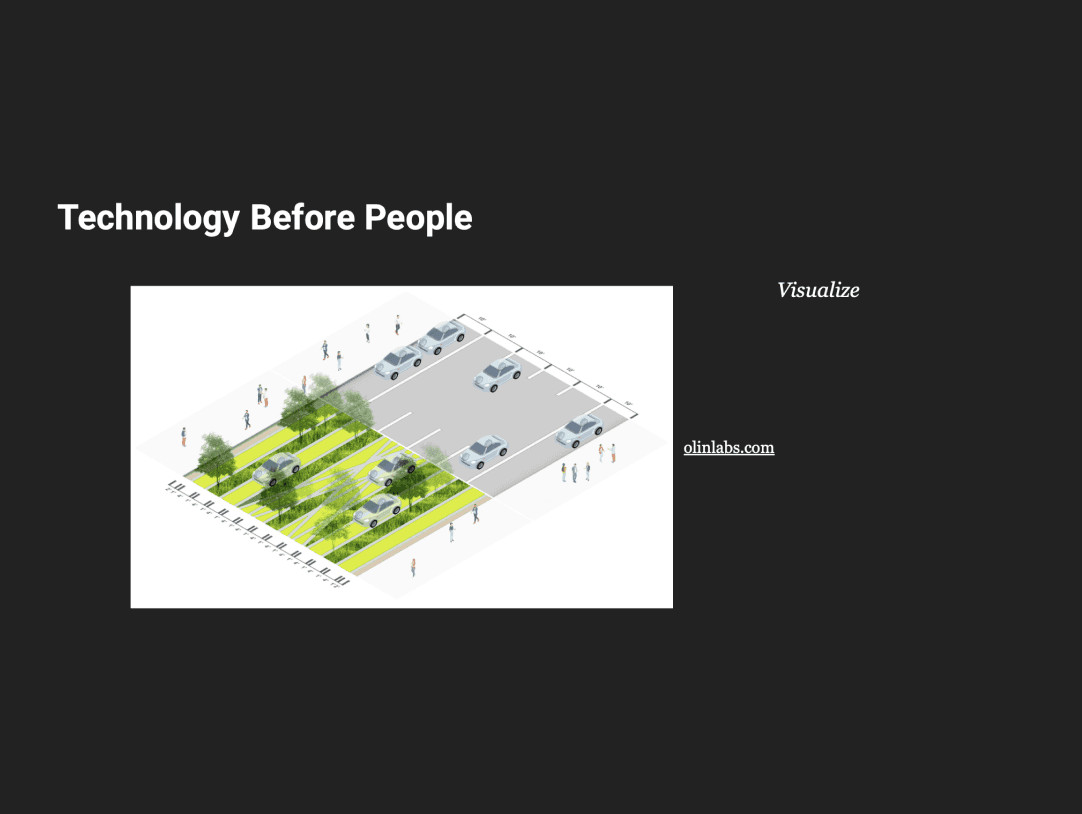
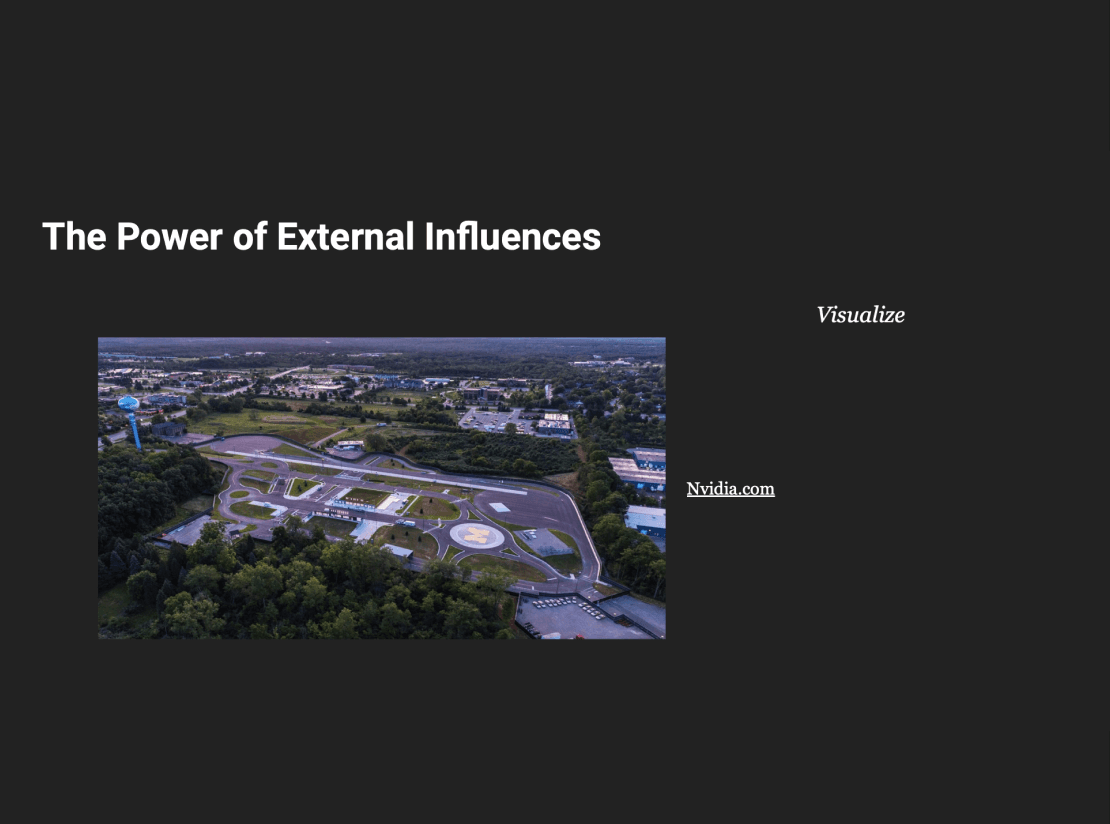
The Baseline (The Power of External Forces): AVs are integrated but follow existing market trends, leading to a "Technology Before People" equilibrium where efficiency is high but social displacement is a risk.
The New Equilibrium (Technology Before People): Government-led AV integration where regulation slows adoption but ensures safety and labor protection for roles like Barron (Local Gov).
The Transformation (Innovated Harmony): A "Preferred Future" where AVs serve as a seamless extension of public transit, reducing the need for parking and reclaiming 20% of urban land for affordable housing and green space.

Results
The report delivers a tactical playbook for navigating the AV transition:
Strategic Policy Memos: I proposed a "20% Equity Mandate," requiring 20% of all AV fleet capacity to be reserved for subsidized low-income transit.
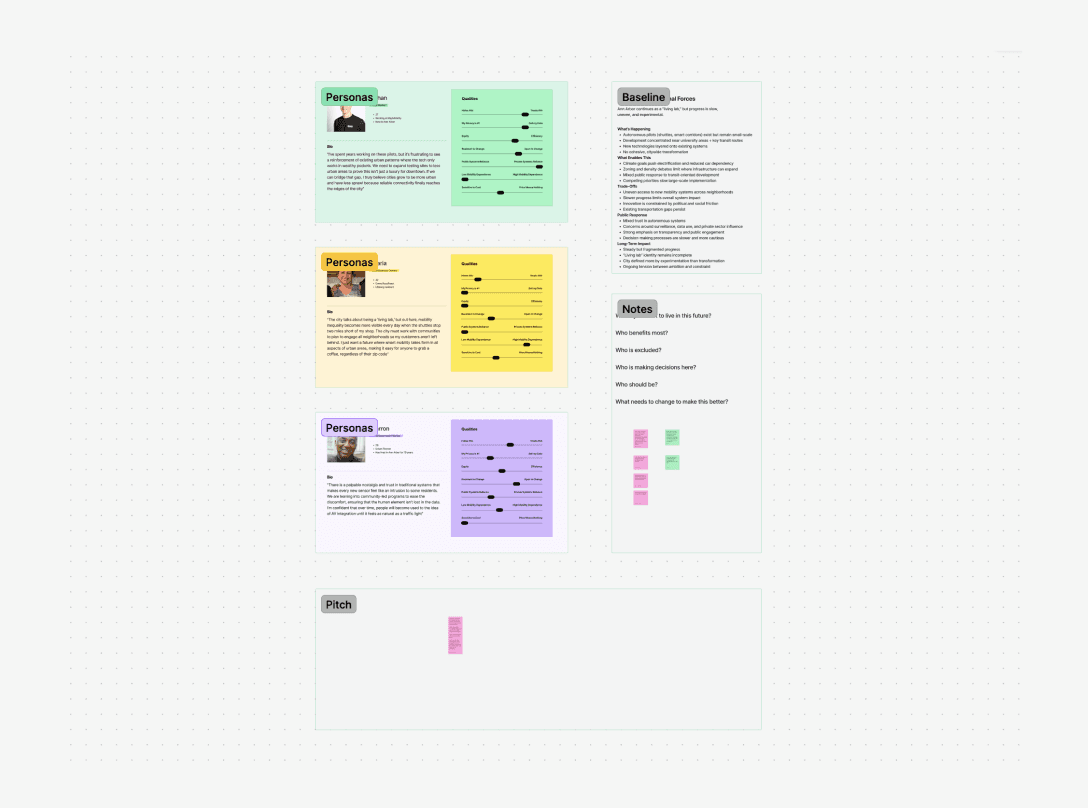
Scenario Workshop: I conducted a workshop that feel into persona narratives to drive forward conversations surrounding empathy for a variety of stakeholders in the community leading to pitches based on each scenario.
PM Outcome: This project demonstrates my ability to lead Product Strategy for an ambiguous future, identifying the "Leading Indicators" (e.g., changes in zoning laws or AV data-sharing mandates) that signal which future is arriving.