Non-Profit Redesign
Read time:
5 min
Client:
Linkage Community
Industry:
Front-End Development
Start:
End:
Duration:
12 Weeks
Tools:
Figma, Wordpress, Stakeholder Engagement
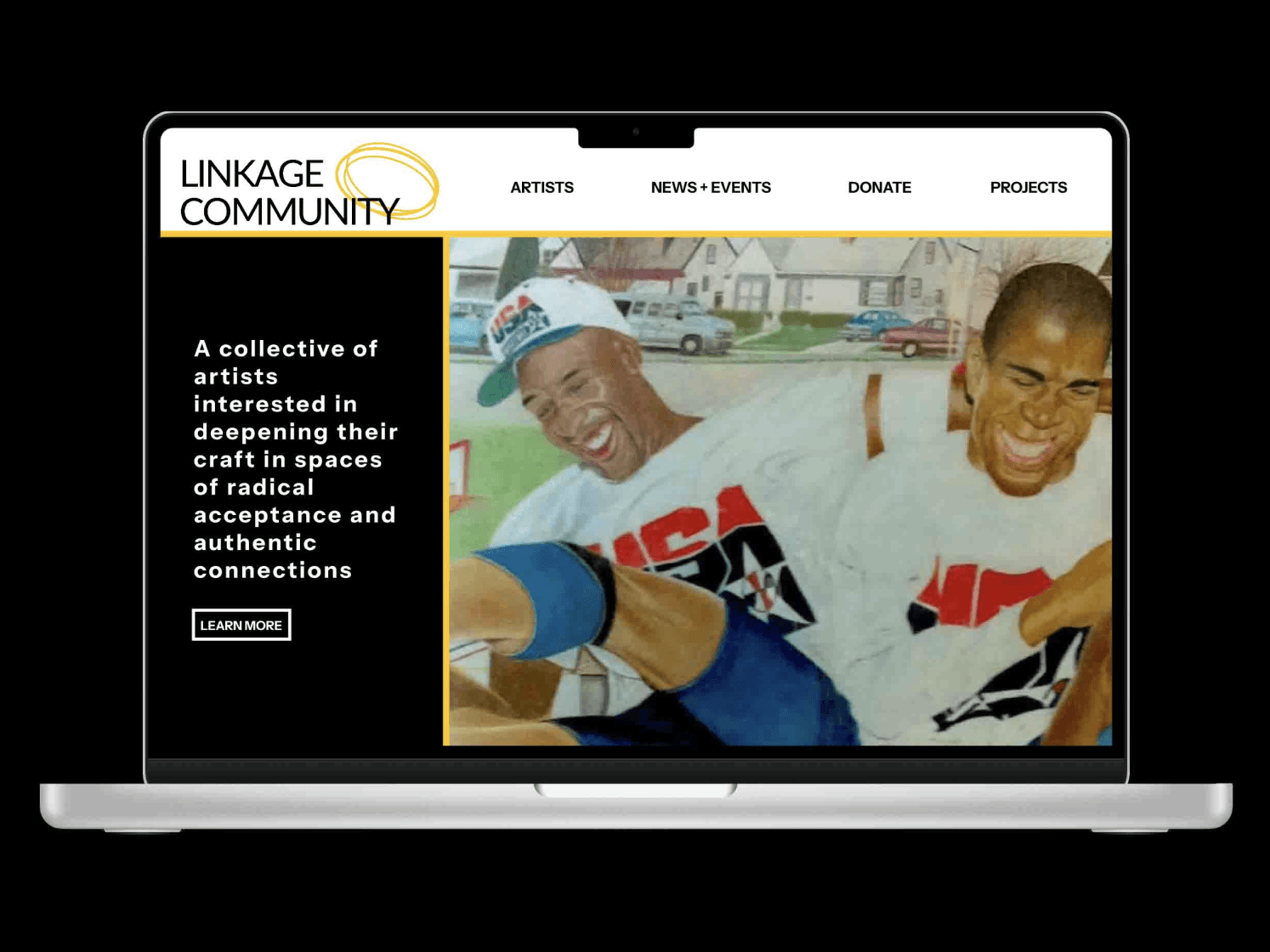
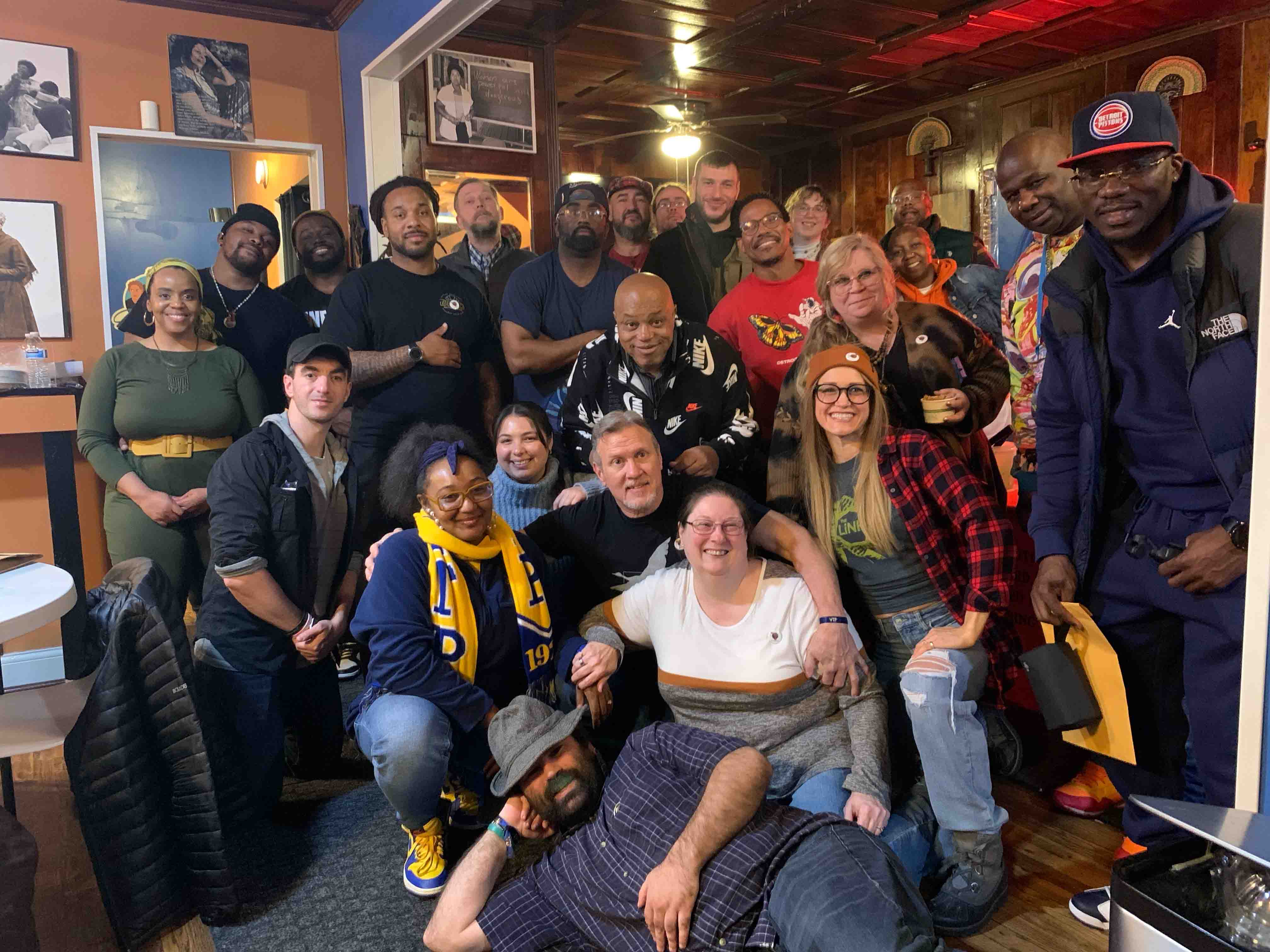
Through the Linkage Community, a nonprofit supporting formerly incarcerated individuals through art and community-building, I worked to redevelop their website and strengthen communication strategies. In this front-end development role, I enhanced my skills in WordPress, HTML, and CSS, while also growing my experience in client collaboration and professional communication. Click on the image to learn more!
Starting point
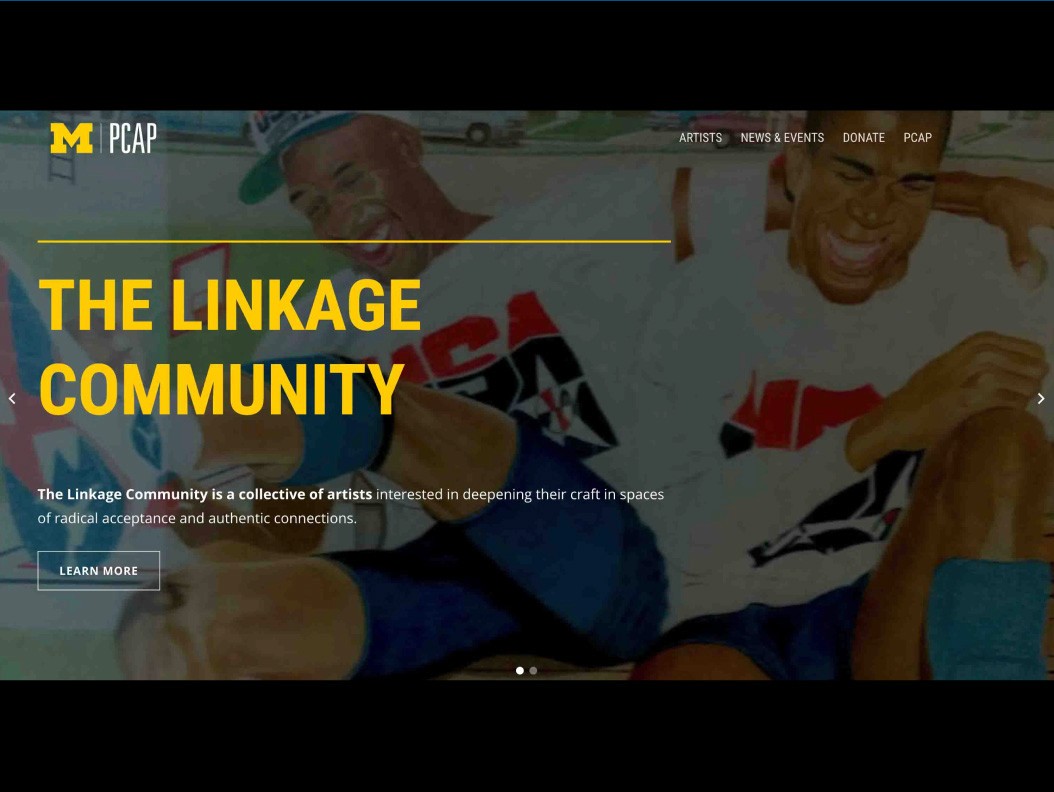
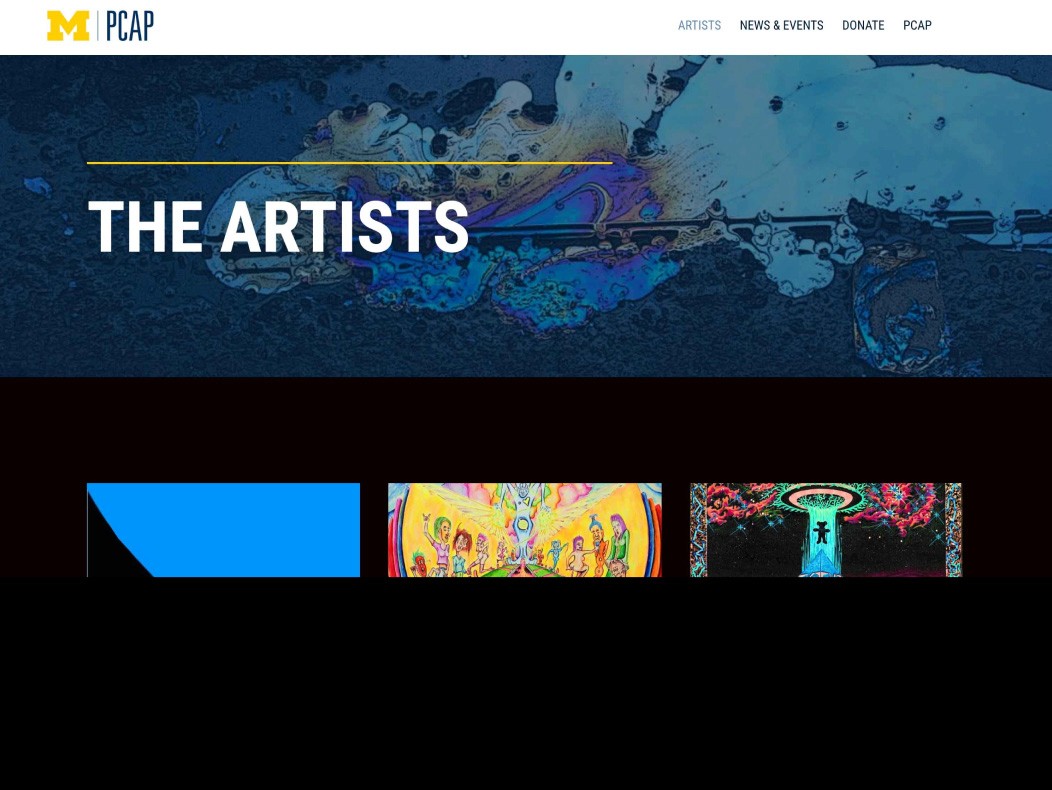
As part of supporting a community-focused arts and justice initiative (Linkage Community), the website needed to move beyond a basic informational site and become a dynamic hub for engagement, inviting artists, members, partners, and supporters to interact, learn, and connect. The previous site was functional but lacked optimized front-end experience: it needed improved responsiveness, visual appeal, performance, and better support for user engagement features.
My challenge was to build a front-end experience on WordPress that elevated the brand, reinforced the mission of creative community and authentic connection beyond incarceration, and made the site easy and inviting to use.

Problem solving
I began by auditing the existing site using heuristic evaluation, content mapping, and user flow analysis to understand friction points and where engagement was being lost. I also conducted a comparative UX benchmark of community-arts organizations, nonprofits, and creative collectives to identify patterns in effective calls to action, newsletter prompts, membership flows, event presentation, and storytelling.
To ground the redesign in real needs, I facilitated stakeholder interviews and synthesized insights through affinity mapping. This clarified the organization’s top engagement priorities, specifically elevating “Get Involved,” “Programs,” “Artists,” and “News” across the navigation and homepage to steer visitors toward action.
Using information architecture mapping, wireframing, and high-fidelity mockups, I explored layout directions that established a strong hero section capable of instantly communicating the organization’s mission. I also optimized the visibility and clarity of key calls to action such as “Become a Member,” “Donate,” and “Subscribe.”
I incorporated visual storytelling methods, large imagery, mission-driven messaging, and clear program breakdowns to build emotional connection and trust, which is crucial for community-centered organizations. Throughout the process, I built responsive prototypes and performed mobile-first testing to ensure strong performance for users browsing during events or outreach.
Implementation
To translate the redesigned experience into a functioning site, I developed the build in WordPress, customizing a theme (and creating a child theme where necessary) to reflect the updated UX and visual system. Using HTML, CSS, and JavaScript, I implemented interactive components, responsive layouts, and performance optimizations that aligned directly with the design goals.
Key Implementation Actions
Customized a WordPress theme / child theme to match the new visual direction
Built interactive components with HTML/CSS/JavaScript (responsive nav, galleries, program grids)
Applied the design rationale: refined typography hierarchy, accessible color palette, and CTA-focused accents
Used semantic HTML for stronger accessibility and SEO structure
Implemented fully responsive layouts using CSS Grid, Flexbox, and media queries
Added JavaScript enhancements (mobile menu toggle, lazy-loading images, smooth scroll behavior)
Optimized performance: compressed images, minimized CSS/JS, and loaded scripts conditionally
Ensured accessibility: high contrast text, descriptive alt text, keyboard-friendly navigation, semantic landmarks
To validate the build and ensure the site delivered on its engagement goals, I conducted a round of internal testing and user feedback sessions. This helped surface navigation issues, mobile friction points, and opportunities to strengthen calls to action before launch.
Key Testing & Iteration Actions
Tested the site across browsers and devices to confirm layout stability, navigation performance, and interaction clarity
Conducted task-based user testing with colleagues, peers, and stakeholders (e.g., “Become a Member,” “Find Programs,” “Subscribe to Newsletter,” “Donate”)
Identified and fixed mobile navigation issues, including tap target improvements and clearer active-state feedback
Optimized load time and image performance through lazy-loading, compression, and cleanup of heavy assets
Refined placement, styling, and accent coloring of CTAs to improve visibility and action rates
Iterated on layout and interaction patterns until flows for engagement felt intuitive, fast, and friction-free
Results
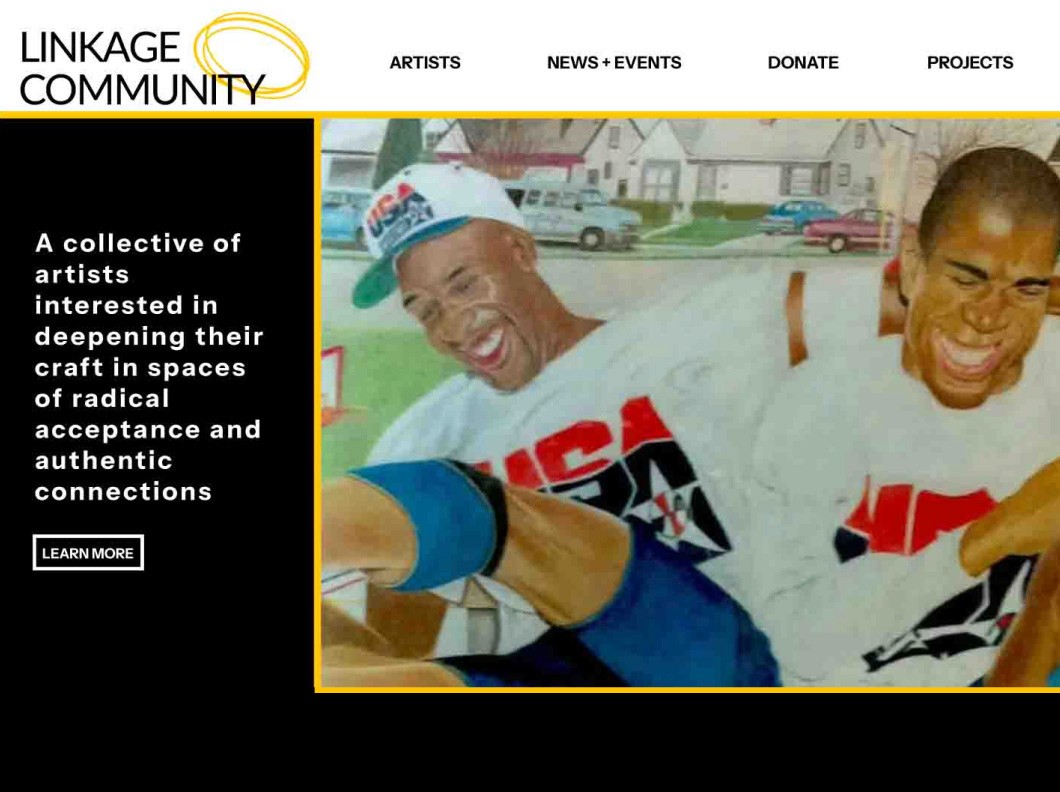
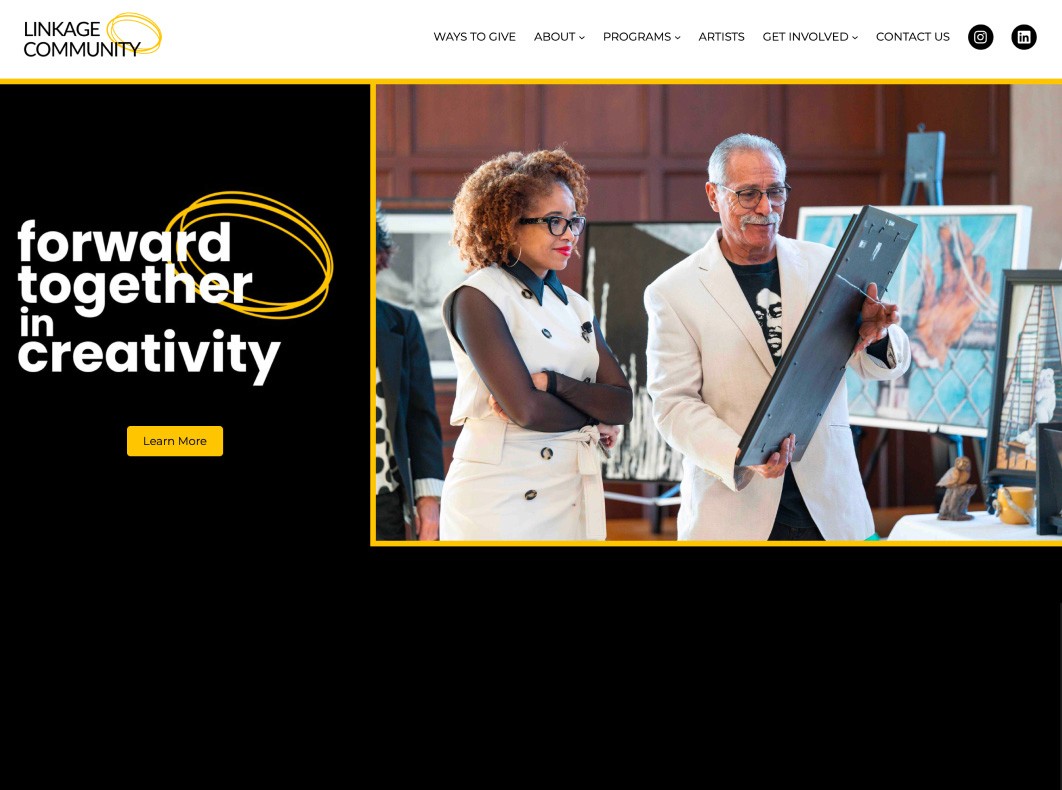
The redesigned front-end delivered a polished, fully responsive website for Linkage Community that clearly communicates the organization’s mission while encouraging meaningful visitor actions, such as membership, partnership, donations, and newsletter sign-ups. Navigation and engagement pathways were streamlined, making programs easier to find and interactions more intuitive.
From a personal perspective, this project strengthened my ability to translate UX research and design into a functional WordPress build, with attention to accessibility, responsive layouts, and performance optimization. The site now serves as a stronger digital asset for outreach and community connection, reflecting both the organization’s goals and my skill in UX-informed front-end development.
Key Outcomes
Clearer user flows for engagement and participation
Improved mobile and desktop performance
Enhanced visibility and placement of CTAs
Stronger communication of the organization’s mission and programs
Reflecting on the process, I learned that translating a community-oriented mission into front-end design requires careful attention to clarity of pathways for action. A clean visual design is valuable, but strategic placement of CTAs and intuitive user flows are critical for engagement.
Future Improvements
Incorporate analytics tracking for engagement (CTA clicks, newsletter sign-ups)
Introduce micro-interactions or subtle animations while maintaining accessibility
Further optimize performance via code splitting and caching
Overall, I am proud to have delivered a front-end experience that balances UX-informed design, accessibility, and responsive development, all while supporting a mission-driven organization. Going forward, I plan to continue iterating with content updates, UI/UX refinements, and performance improvements to keep the site effective and engaging.